
Winter Hiking & Exploring
Winter hiking, snowshoeing, and a short walk from the road all deserve a plan for winter conditions.
The summer description is only a starting point. Snow can hide a trail, ice can change the footing, and short daylight can change what is realistic.
Check the actual conditions
Look at the destination’s latest alerts and weather. Match traction and equipment to the route and your skills.
Keep a margin
Carry layers, light, navigation, and supplies for a delay. Set a turnaround time and leave a trip plan with a trusted person.
Look beyond the trail
Winter trails can cross or sit below avalanche terrain. If you cannot assess the hazard, choose another destination and seek training.
Build your winter knowledge.
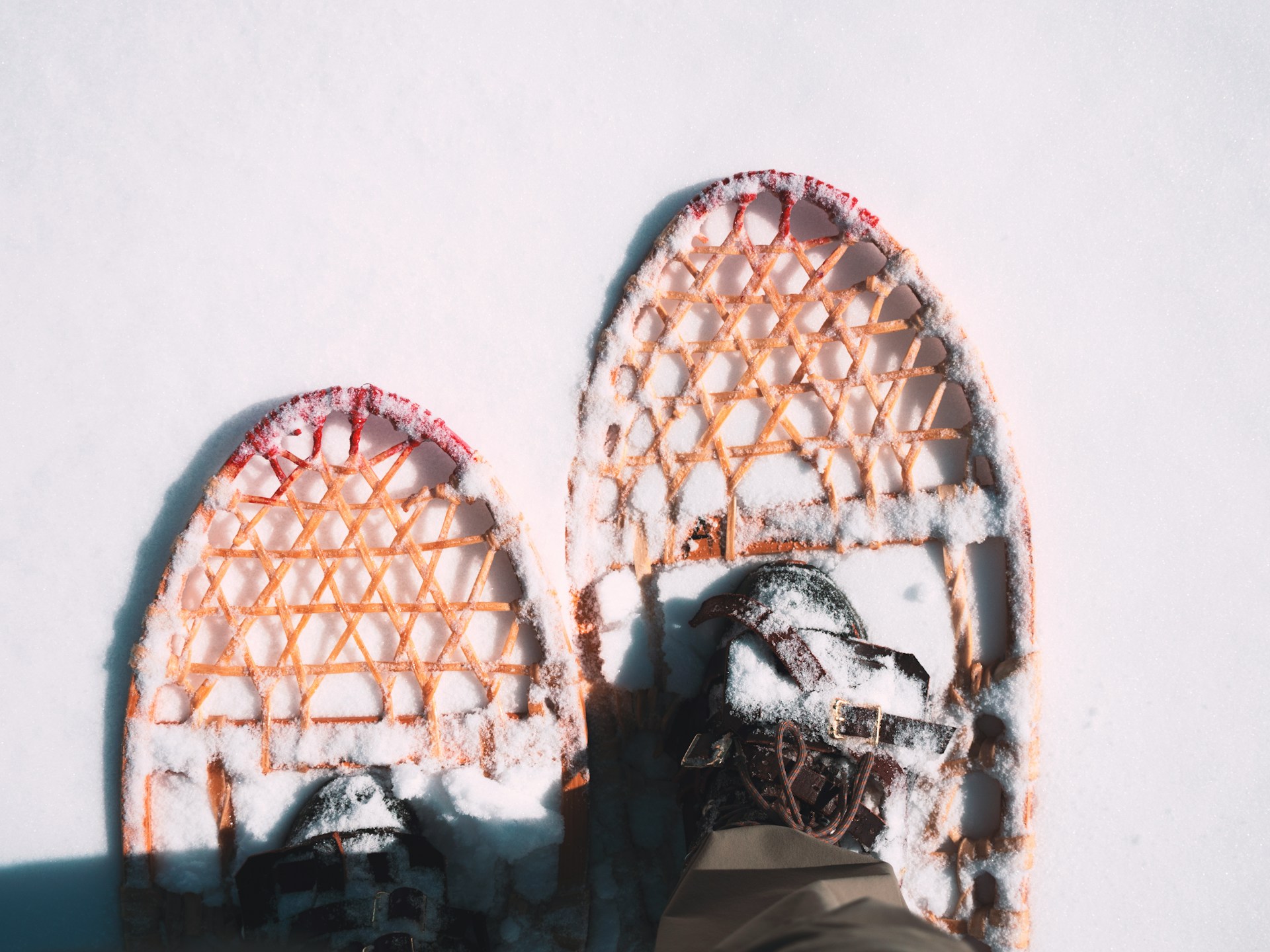
A Winter Hike Is a Different Trip
A familiar summer trail can become a navigation, traction, and exposure problem once winter arrives.
Read article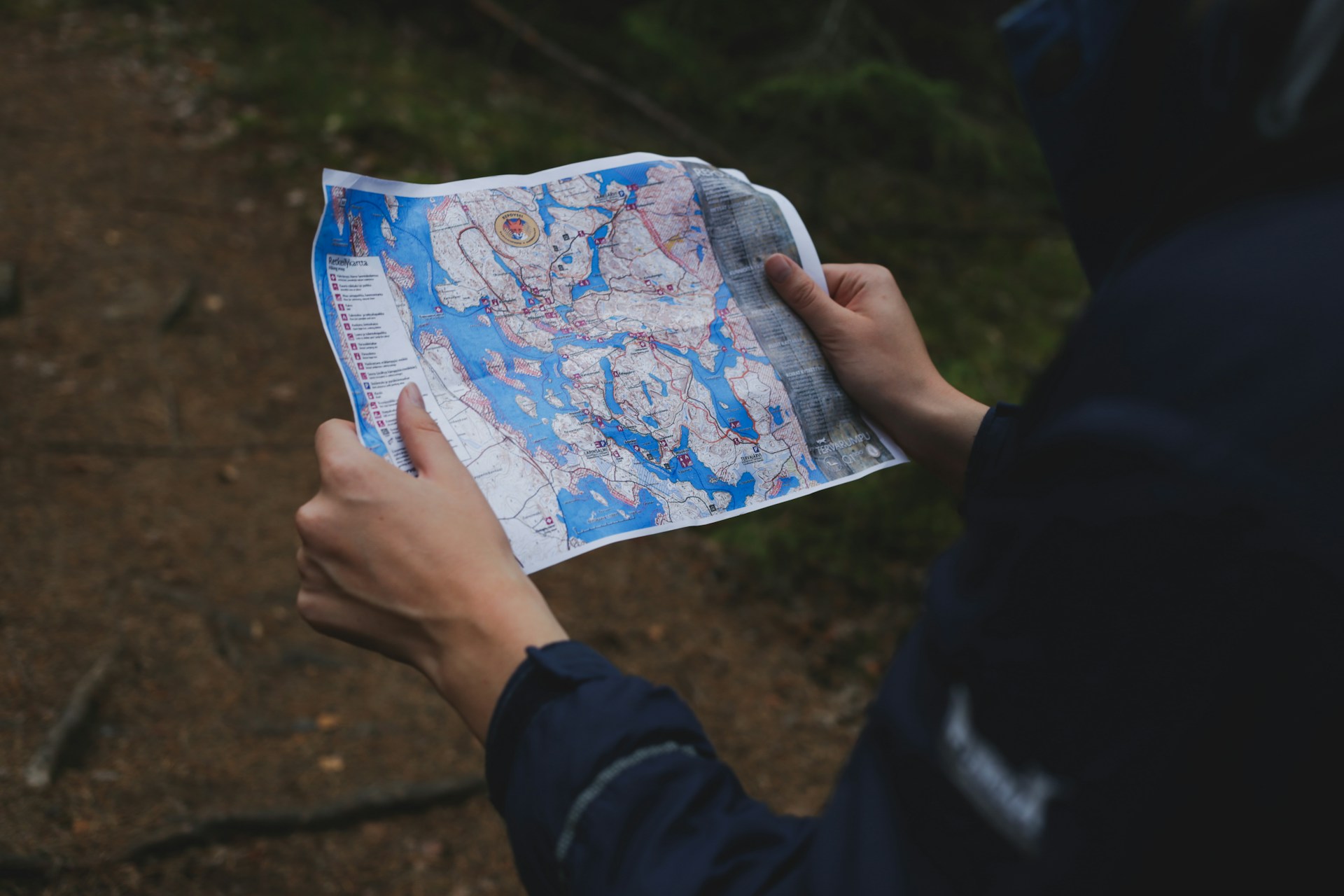
Prepare Your Offline Maps Before Leaving Home
A route saved in an app is not the same as a complete map available without a connection.
Read article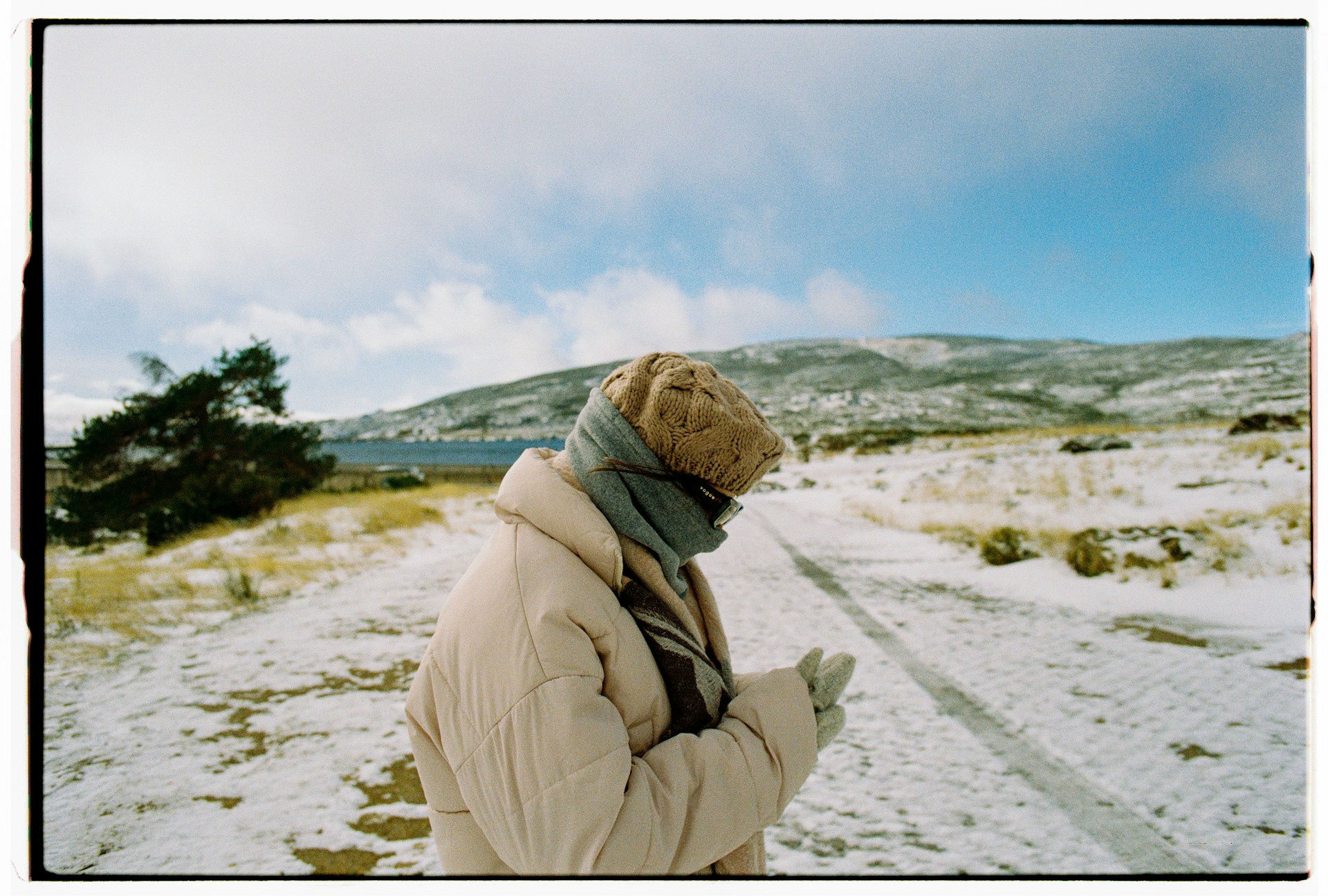
Calling for Help in the Utah Backcountry
Know how to call, describe your location, and prepare for a wait before you need help.
Read articleMake your next step practical.
Build the skills. Keep learning.
Use these resources alongside hands-on training, current conditions, and sound decisions in the field.