
A Winter Hike Is a Different Trip
A familiar summer trail can become a navigation, traction, and exposure problem once winter arrives.
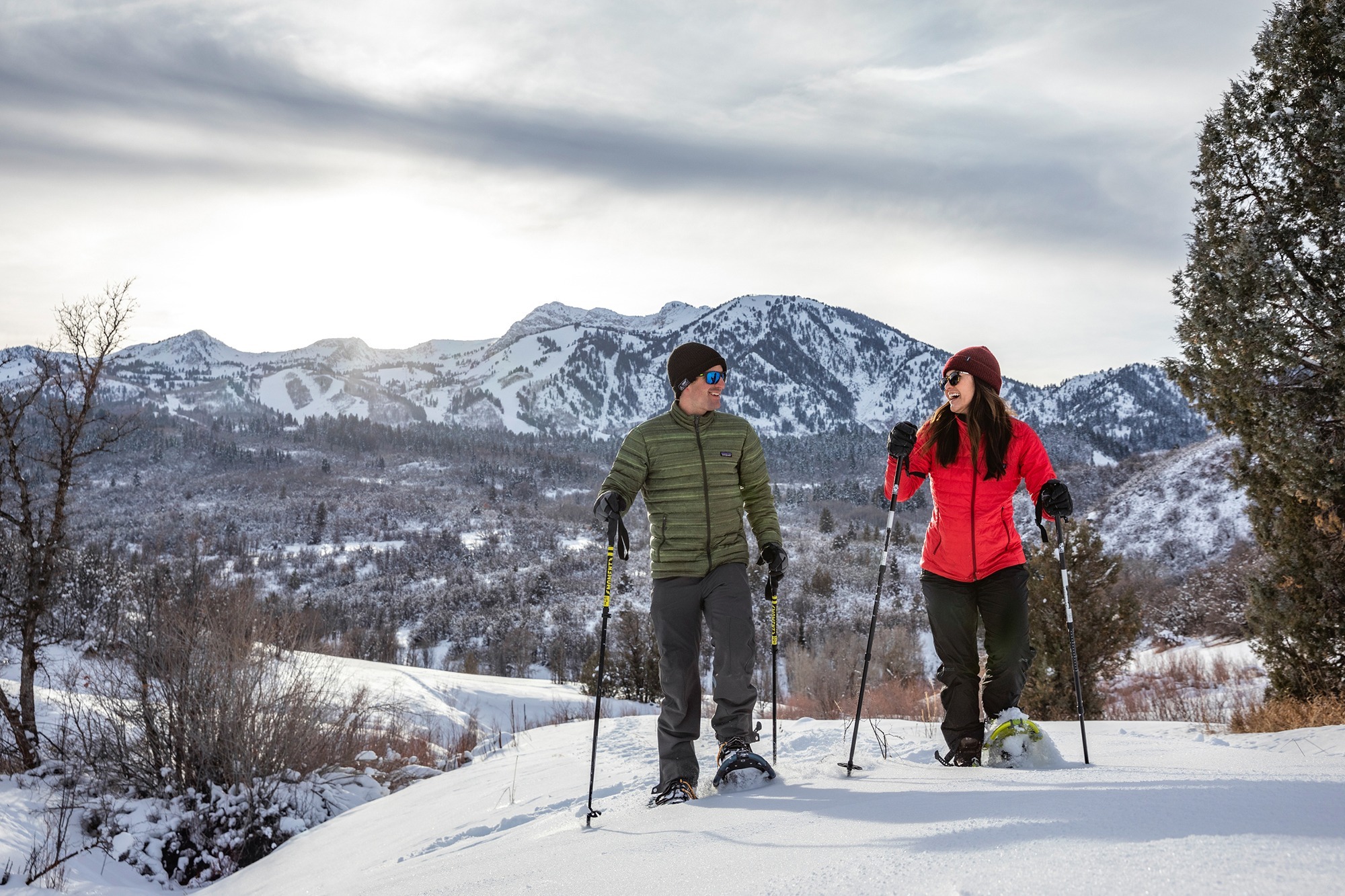
Check the destination itself
Read the land manager’s current trail and road notices along with the weather forecast. Utah’s winter conditions vary considerably with location and elevation. Bryce Canyon, for example, describes how fresh snow can require snowshoes while heavily used trails later become packed and icy. Treat that as an example of changing equipment needs—not a current conditions report for your trip.[1]
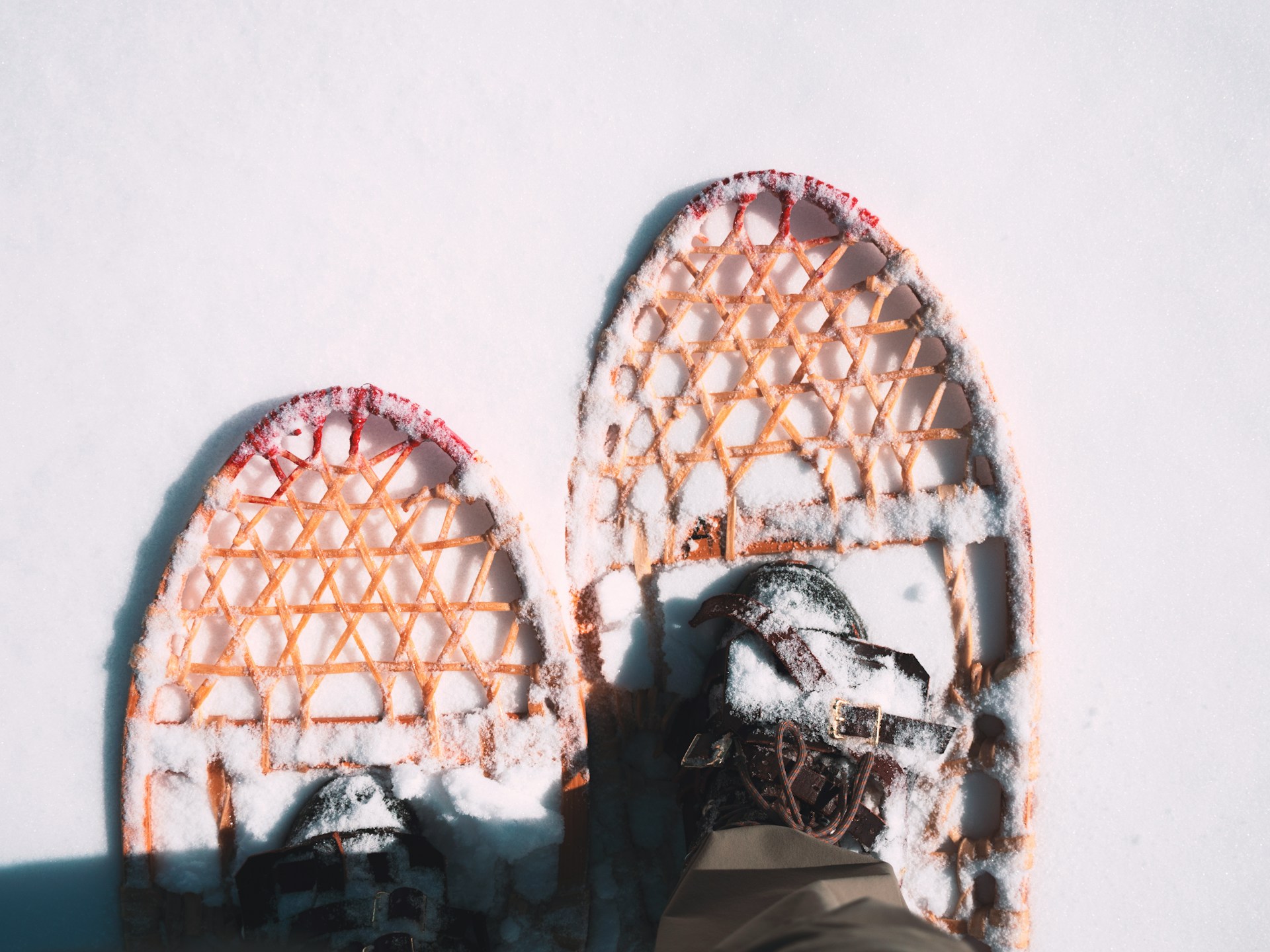
Match footwear and traction to the surface
Bring footwear suitable for cold and wet conditions and traction appropriate to the route. Snowshoes help with flotation; they are not automatically the right answer for hard ice. If the terrain exceeds your equipment or skills, turn around. Avoid a steep, exposed section simply because someone else has already crossed it.[1][2]
Keep navigation and avalanche exposure in view
Snow can hide a trail and change familiar landmarks. Carry navigation tools you know how to use, and do not assume another person’s tracks lead to your destination. Evaluate slopes above and connected to the route: walking on gentle ground does not remove the possibility of an avalanche arriving from steeper terrain.[2][5]
Pack for standing still
Carry insulating layers, wind and moisture protection, food, water, lighting, and emergency shelter suitable for an unexpected stop. Utah State Parks recommends protecting batteries from cold and taking a physical map and compass as backups. Keep water from freezing and adjust clothing before sweat or wind leaves you chilled.[3]
Build a turnaround into the plan
Tell someone your intended route and expected return. Account for shorter days and leave room for slower travel. Change plans if visibility, footing, weather, or the group’s condition deteriorates. Give wildlife space and avoid damaging muddy trails during freeze-thaw conditions. A shorter outing can still be a complete winter day.[4]
Plan your next step
Build the skills. Keep learning.
Use these resources alongside hands-on training, current conditions, and sound decisions in the field.