
Calling for Help in the Utah Backcountry
Know how to call, describe your location, and prepare for a wait before you need help.
Make the location clear
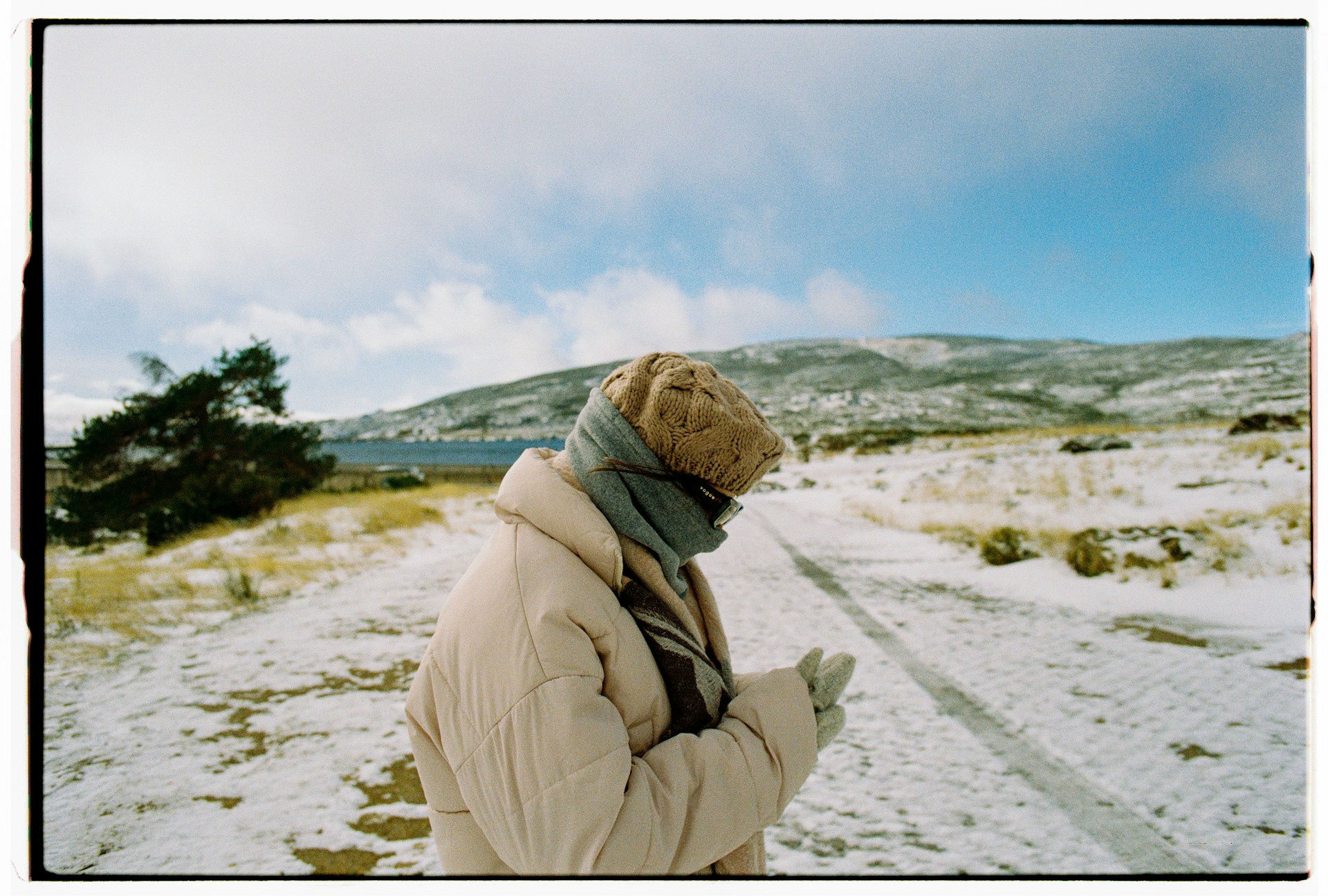
Tell dispatch that this is a backcountry emergency and give your callback number. Describe the canyon or drainage, route, landmarks, and current GPS coordinates if available. Explain what happened, the number of people involved, injuries or symptoms, and what help is needed. State uncertainty honestly rather than guessing.[1][2]
Learn how to display your location before a trip. Read coordinates carefully, including decimal points and minus signs, and confirm they describe your current position. Follow the dispatcher’s preferred format and ask for a read-back if needed. Do not delay an emergency call while installing a new app.[2]
Plan for limited communication
Do not count on cell coverage. Know the emergency procedure for any satellite communicator or satellite-capable phone you carry, including its service requirements. Try 911 in an emergency; if voice will not connect, texting may be an option where supported, but it still requires a usable connection. Follow the device’s instructions for satellite SOS.[1][2]
Avalanche rescue starts with prepared partners
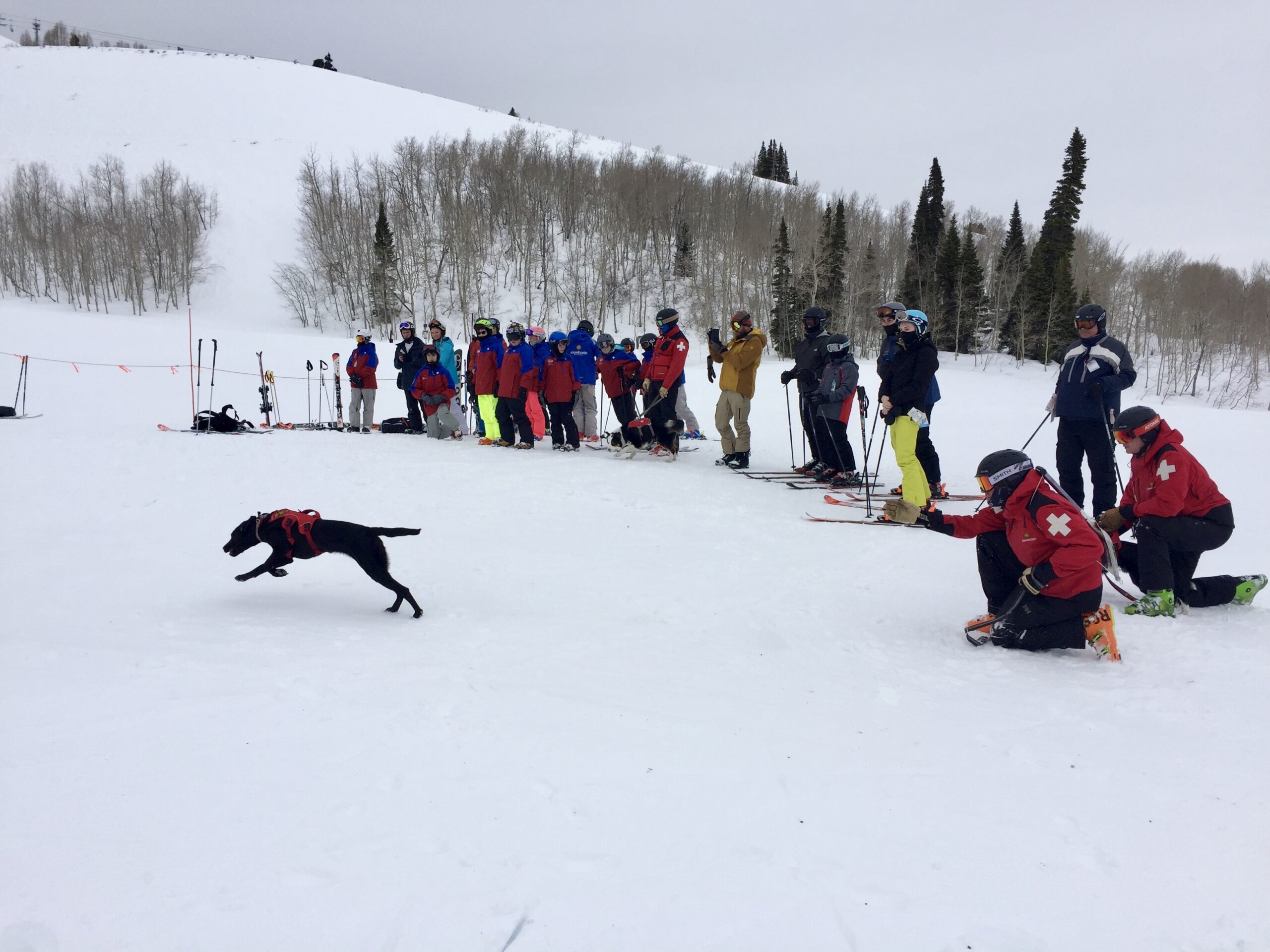
A buried companion needs an immediate response from trained, equipped partners. Calling for outside help does not replace companion rescue. If resources allow, a member of the group can contact dispatch while others perform rescue within their training and manage the continuing hazard. Learn and practice these skills before entering avalanche terrain.[1]
Prepare for the time between the call and arrival
Weather, terrain, location uncertainty, and available resources affect response time. Protect the group from exposure and provide care within your training. If the location is safe, remain there and follow dispatch instructions. If immediate danger requires moving, tell dispatch where you are going. Do not assume a helicopter can reach the site or that help will arrive before dark.[1][2]
Plan your next step
Build the skills. Keep learning.
Use these resources alongside hands-on training, current conditions, and sound decisions in the field.