
Snowmobiling in Avalanche Terrain: A Plan Before the Throttle
A machine can move you quickly across terrain. The group still needs time to understand what it is entering.
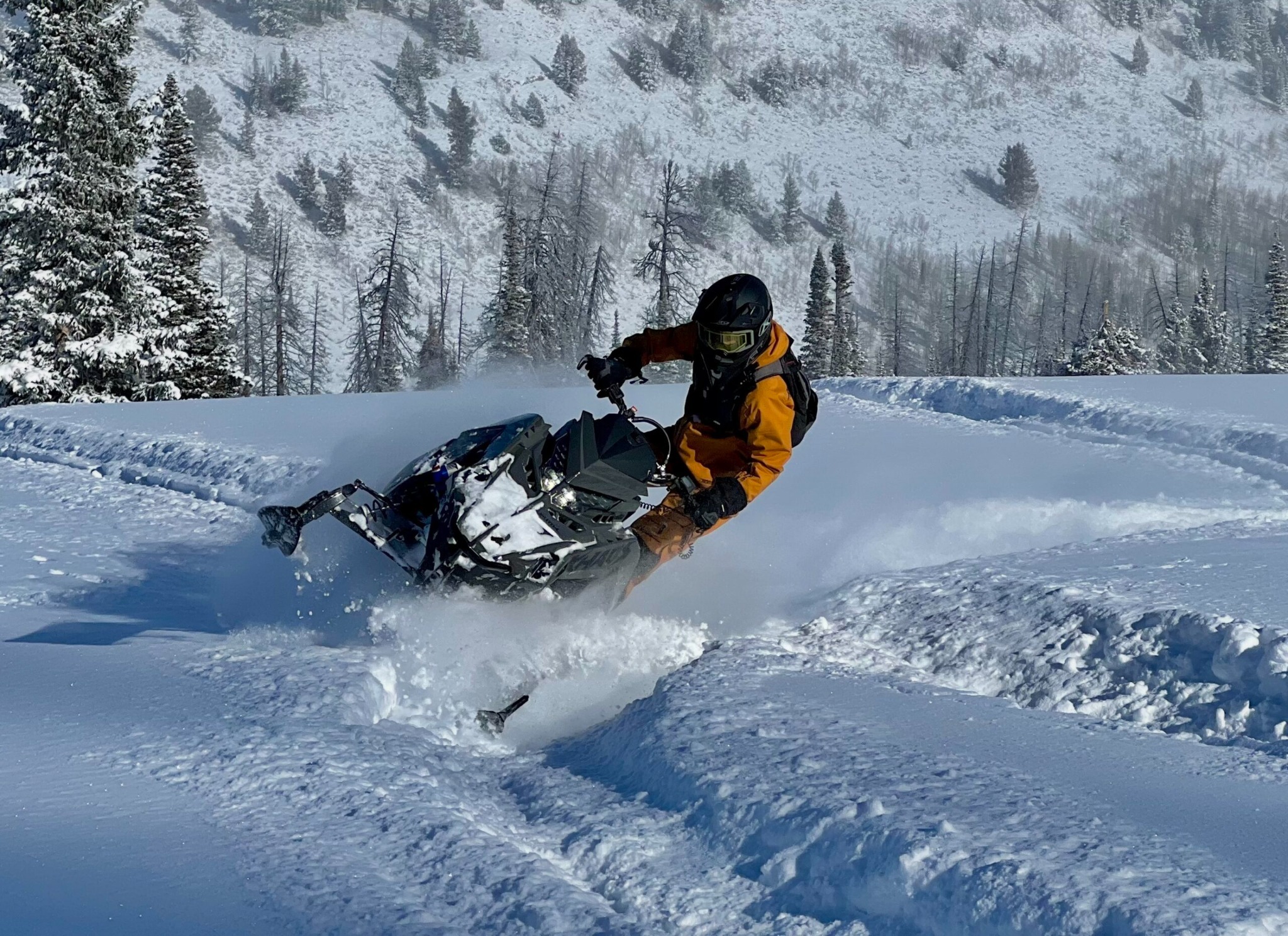
Use a forecast for the riding area
Review the current avalanche and weather information before unloading. UAC’s motorized education emphasizes trained partners, personal rescue equipment, a riding plan, and attention to recent avalanche activity. Keep each person’s transceiver, shovel, and probe with that person rather than relying on equipment left on a machine that could become separated from its rider.[1]
Manage exposure before a climb
Decide where riders will wait and regroup before anyone enters terrain of concern. Keep the group out of avalanche runout zones; a flat place below a slope may be where debris collects. Gullies, creek beds, trees, and abrupt transitions can increase the consequences of a slide. Avoid a hazardous slope rather than trying to make it acceptable through spacing alone.[1][5]
Do not turn a stuck sled into a group exposure
A stuck machine creates pressure to rush in. UAC specifically identifies helping a stuck rider on a slope as a recurring avalanche concern. Pause and assess the exposure before sending anyone toward the machine. Keep the rest of the group out of the path and use your avalanche training to decide what is appropriate. Recovering equipment is not worth exposing more people.[2]
Check access separately from snow conditions
Use Utah Outdoor Recreation’s links for grooming reports, safety education, and access resources. A grooming report describes trail work; it is not an avalanche forecast or confirmation that every nearby area is open. Check the land manager’s current winter travel map and closures for your exact destination.[3]
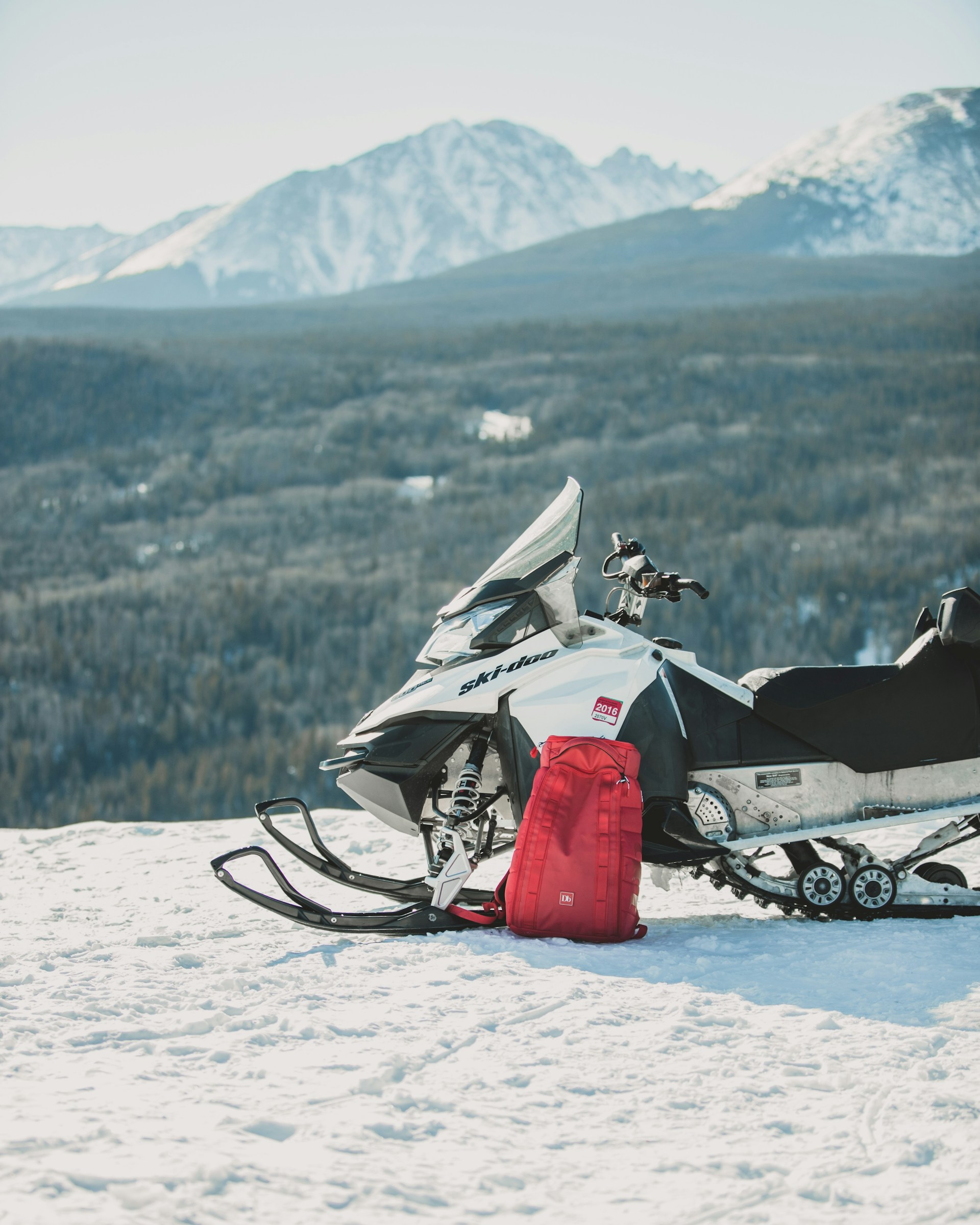
Plan for the ride home—and a delay
Inspect the machine, carry suitable repair supplies, and review fuel and turnaround plans. Wear appropriate protective equipment and avoid impaired riding. Tell someone off the mountain where you plan to go and when to expect contact. Keep an alternate outing available when weather, access, or group readiness does not support the original plan.[4]
Plan your next step
Build the skills. Keep learning.
Use these resources alongside hands-on training, current conditions, and sound decisions in the field.