
Avalanche Control Towers: Keep Your Distance
Give avalanche control equipment space. Respect closures. Never climb on or tamper with a device.
Why These Structures Deserve Space
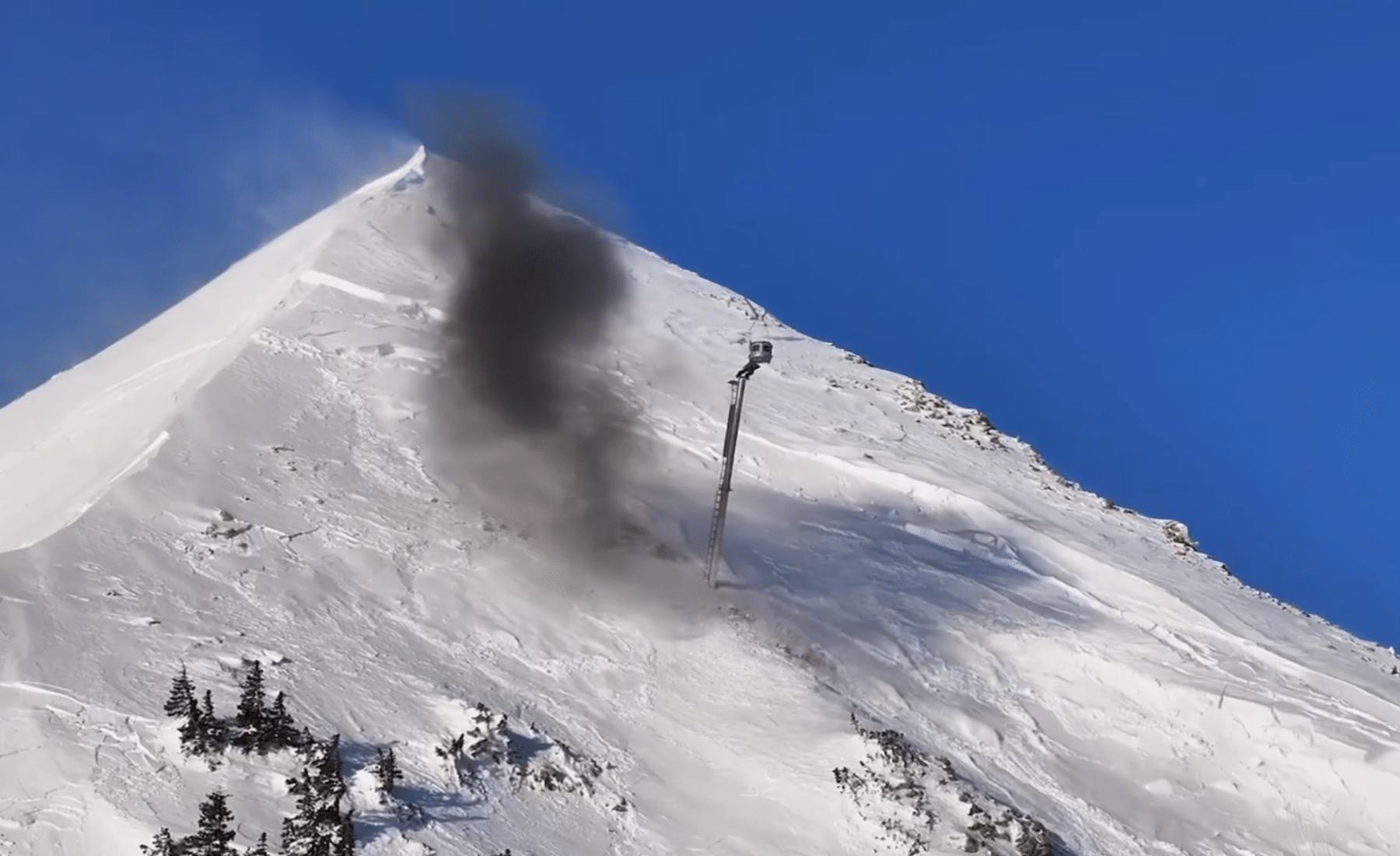
Avalanche control towers and other fixed devices are working safety equipment. UDOT uses remote avalanche control systems to trigger avalanches that could threaten roads; towers on Mount Superior above Little Cottonwood Canyon are one Utah example. Depending on the system, fixed equipment uses explosive charges or gas-generated blasts and can be operated from a distance. A tower with no crew beside it is not an invitation to approach.[1][2][3]
The hazards include the blast and the avalanche it may release. Equipment locations are not viewpoints, rest stops, or terrain features. WBR’s visitor guidance is simple: choose a route that gives the equipment space and stay out of the entire closed area.[4]
Never Climb or Tamper
Leave operation, inspection, and maintenance to authorized personnel. Whether you encounter a tower inside a resort or on a backcountry ridge:
- Never climb the tower, supports, ladders, or platforms. Do not use the structure for photos, play, or access to a higher viewpoint.
- Do not touch, open, move, or adjust any part of the system. Leave cables, pipes, enclosures, and other components alone.
- Do not attach gear or use the equipment as an anchor. Do not attempt to retrieve something from it, test it, or repair apparent damage.
These precautions apply year-round. You cannot judge whether equipment is safe to approach from its appearance, the season, or the absence of staff. Report concerns to the resort or the identified operator from a safe location.
At a Resort: Stay in Open Terrain
Obey warning signs, ropes, closed trails, and ski patrol directions. Do not leave an open run to approach a tower for a closer look or a photograph. If your route seems to lead toward control equipment or an unclear boundary, stop in a safe place and ask patrol before continuing. Utah resorts emphasize respecting closures; avalanche mitigation reduces risk but cannot eliminate it.[5][6]
In the Backcountry: Check Closures Separately
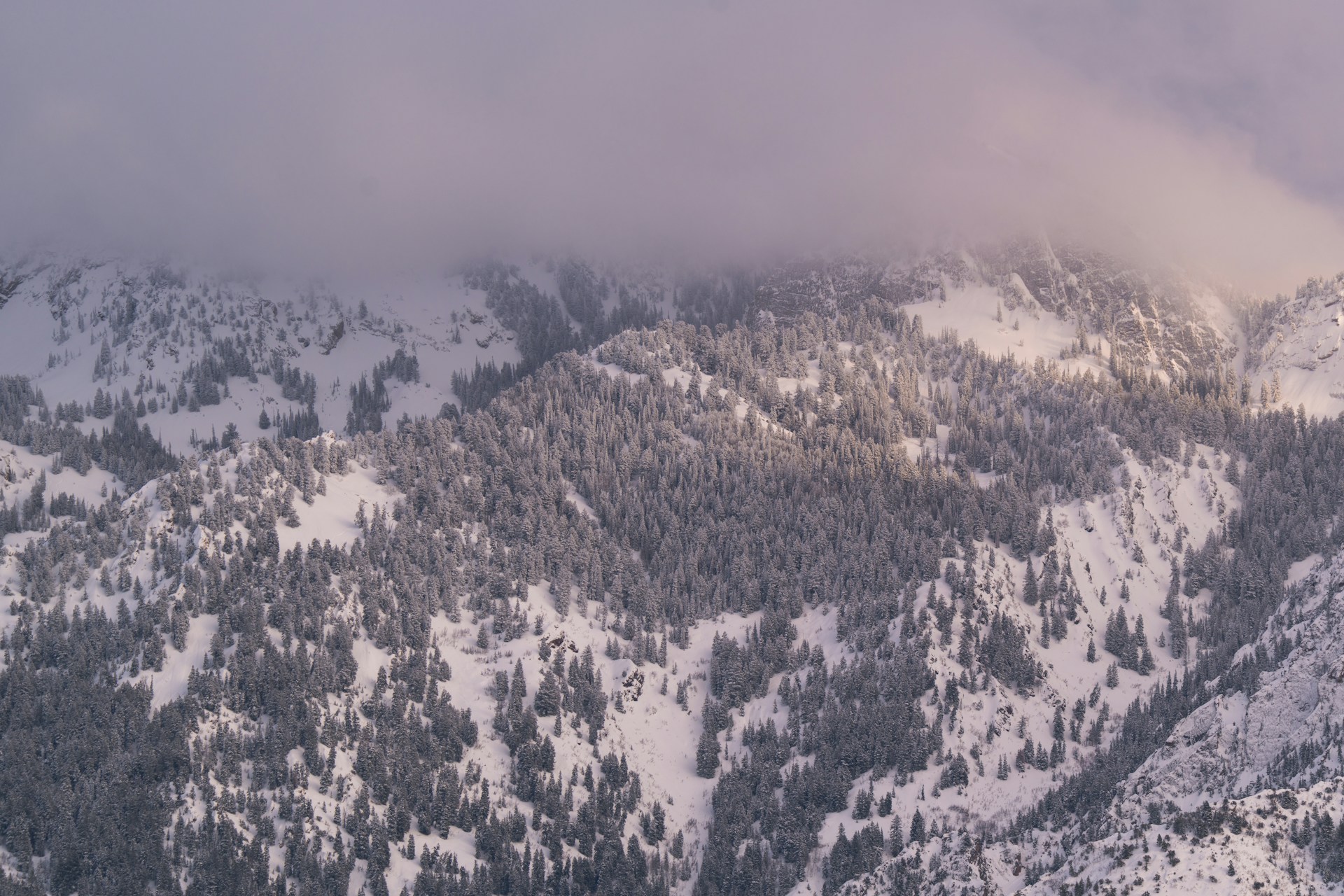
An open road does not mean the backcountry is open. UDOT backcountry closures can begin before a road closes, and closures may also occur during the day. Check current notices and the closure map before leaving, then check again before entering affected terrain. Consider your approach, destination, and return route—not just the tower’s location.[1]
UDOT backcountry closures and resort closures are separate. A resort’s operating status does not authorize entry into a UDOT closure. UDOT cannot carry out avalanche mitigation when people are near the targets; entering closed terrain can interrupt work intended to protect everyone below.[1][4]
A tower also does not mean that surrounding backcountry terrain has been made safe for recreation. Outside resort boundaries, do not expect resort avalanche mitigation or patrol coverage. Use the current Utah Avalanche Center forecast, appropriate training, equipment, and conservative terrain choices in addition to checking closures.[1][6]
How Far Away Is Far Enough?
There is no single clearance distance offered by this guide. The equipment, terrain, and operation matter. Follow posted exclusion zones and the operator’s instructions; a closure may cover much more than the ground around a tower. If the limits are unclear, choose another route and contact the operator before entering. Do not estimate a safe distance by watching where other people travel.[4]
See Damage or a Suspicious Object?
Do not investigate or attempt a repair. Report damaged equipment to ski patrol, the resort, or the identified operator.
The decision to take with you: Give avalanche control equipment space, respect the full closure, and leave the devices to trained operators.
Plan Your Next Step
Build the skills. Keep learning.
Use these resources alongside hands-on training, current conditions, and sound decisions in the field.