
Skiing Utah Resorts: Boundaries, Closures & Shared Responsibility
Make the boundary part of your plan—not a decision made after following someone else’s tracks.
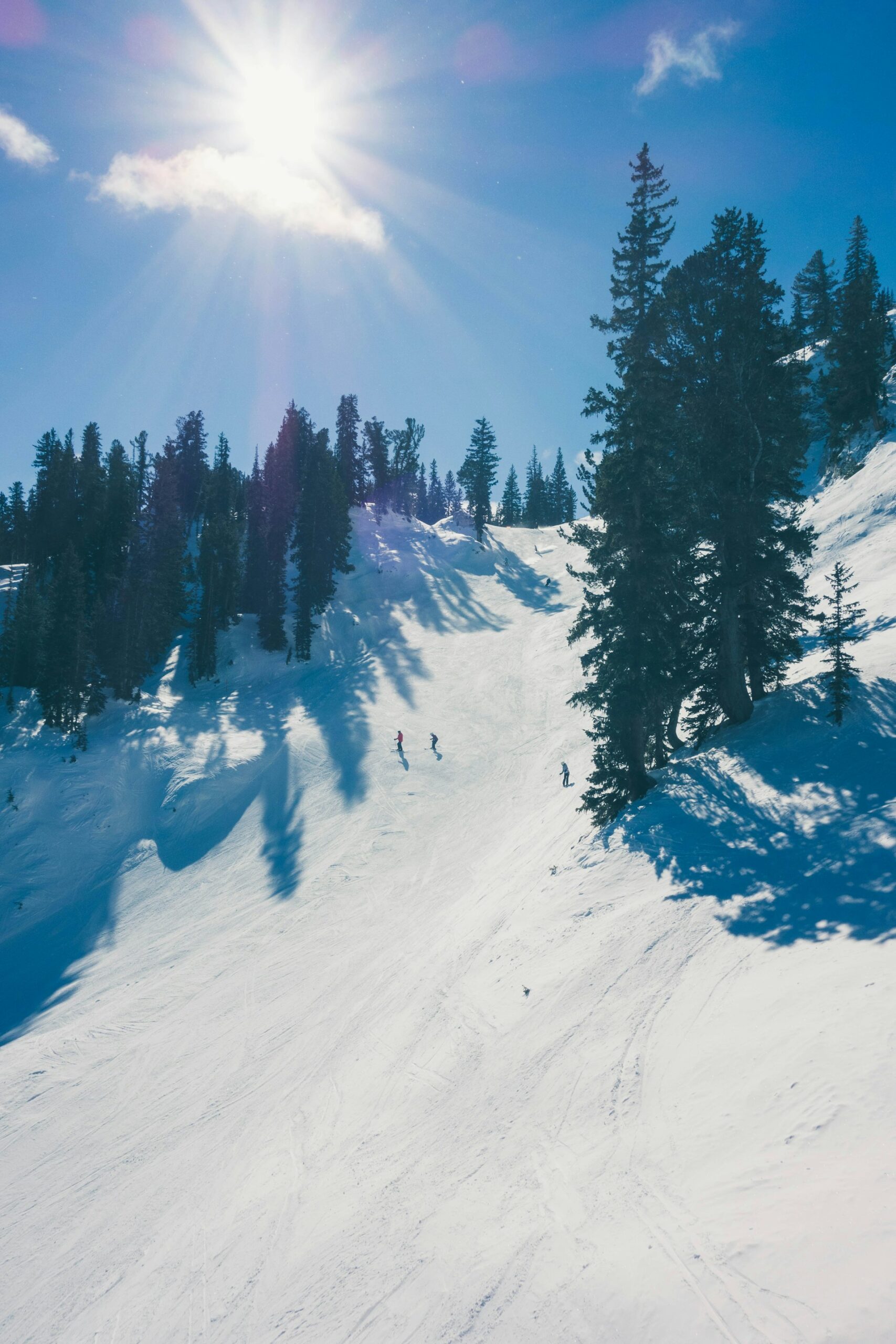
Know where the managed area ends
Check the resort’s trail map, signs, and current policies before choosing a run. Snowbird, for example, identifies designated backcountry exit points and states that ski patrol service and avalanche mitigation do not extend beyond its boundary. Treat that as a reason to prepare for backcountry travel, not as an invitation to improvise an exit. Other resorts have their own rules. Read the current policy for the mountain you are visiting.[1]
Closed terrain is a separate issue from a backcountry access point. Obey ropes, signs, and instructions from resort staff. If a sign or boundary is unclear, stop in a suitable place and ask before proceeding. Do not use another person’s tracks as permission.
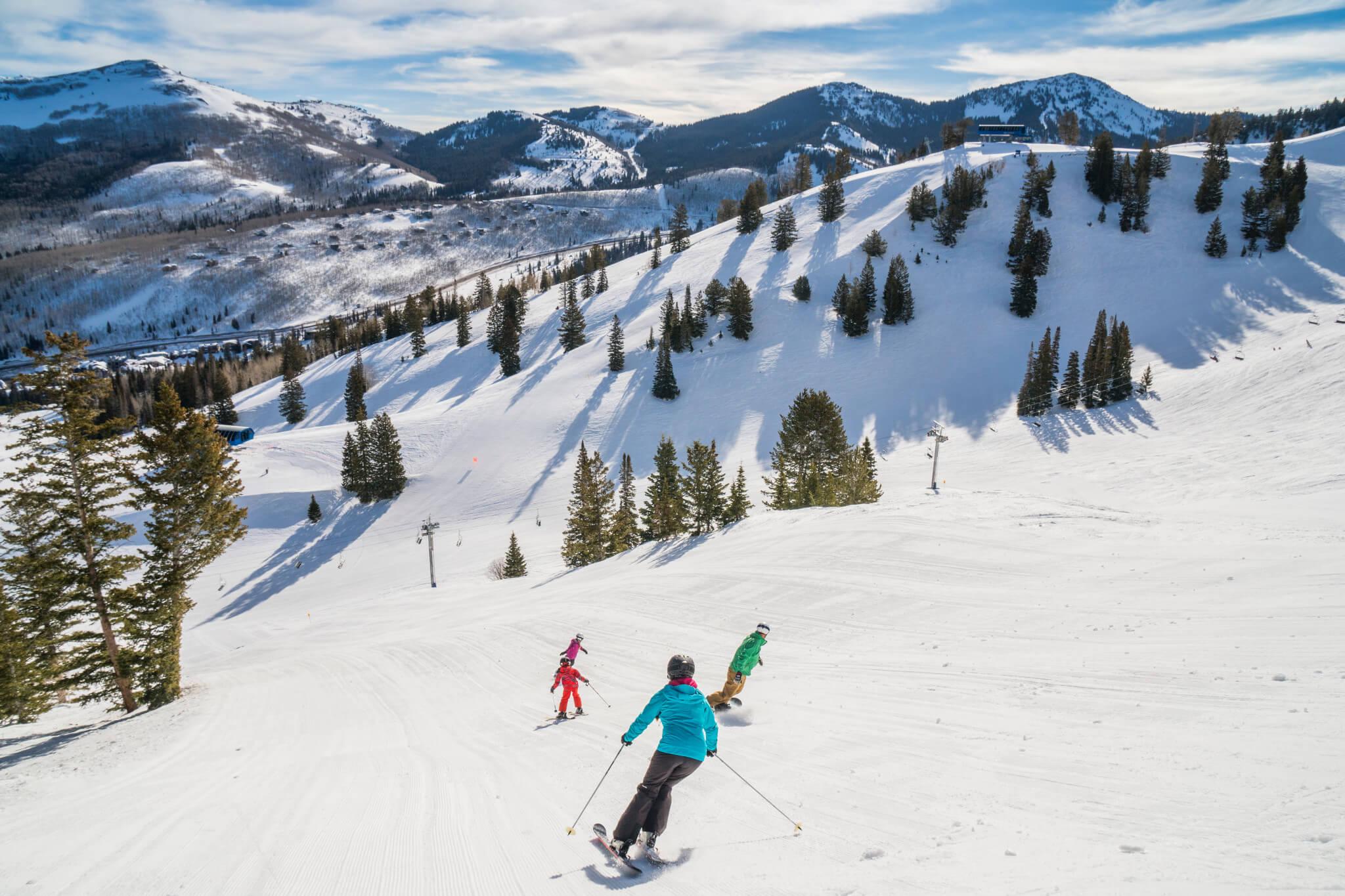
Share the slopes deliberately
Alta’s safety guidance emphasizes controlling speed, leaving space when passing, anticipating blind spots, and checking uphill before merging. Choose terrain that lets you stay in control under the conditions you actually encounter. Stop where uphill traffic can see you and where you do not block the run. After a collision, exchange information with those involved and notify a ski area employee.[2]
Use the resort’s safety resources
Before the first lift, locate patrol contact information and agree on a meeting point with your group. Ask a lift attendant for help if you are unsure about loading or unloading. NSAA provides dedicated guidance for lifts, helmets, terrain parks, and collision prevention; review the topics that match your day.[3]
Keep expectations realistic
Avalanche mitigation reduces risk within a ski area but does not eliminate it. Continue to respect closures and changing conditions, including on powder days. Planning to leave the boundary calls for appropriate avalanche education, trained partners, rescue equipment, and a current backcountry forecast—not simply strong downhill skills.[1][2]
Plan your next step
Build the skills. Keep learning.
Use these resources alongside hands-on training, current conditions, and sound decisions in the field.